Blog: Citizen Science Projects, People, and Perspectives
By Michael Bear, Jul 26, 2019
Since 2000, I’ve been an avid scuba diver in Southern California. When the Yukon, a 366 ft. long Canadian warship, sunk off the coast of San Diego in July of 2000, it became an artificial reef for divers to explore, piquing my interest in and igniting a lifelong passion for diving. In late 2006, my … Read more “Diving into Citizen Science: The Origins of Ocean Sanctuaries”
Categories: Citizen Science, CitSci Research, Ocean & Water
By Catherine Price, Mar 24, 2017
This April, The Crowd & The Cloud brings you a 4-part public television series exploring citizen science, crowdsourcing, and mobile technology. You’ll find the SciStarter Project Finder on The Crowd & The Cloud website to help viewers of the show become do-ers of science! Below we’ve highlighted each episode and related projects to jump start … Read more “Citizen science comes to public television this April”
Categories: Citizen Science, Citizen Science News, Computers & Technology, Ecology & Environment, Newsletter
By Kristin Butler, Mar 03, 2017
“People protect what they love.” ~ Jacques Yves Cousteau When I was a kid, my family and I used to love watching “The Undersea World of Jacques Cousteau.” Every week we’d set out the TV tables and share our dinner with the French marine explorer as he led us on underwater adventures and taught us … Read more “Reef Check Underwater Science”
Categories: Citizen Science, Ocean & Water, Project Profile
By Eva Lewandowski, Jan 19, 2017
January 21st is Squirrel Appreciation Day! Celebrate by participating in one of these squirrel-centric projects. It sounds a little nutty, but researchers rely on your squirrel observations to advance research about these furry friends. Find more projects on SciStarter to do now, or bookmark your favorites for later! Cheers! The SciStarter Team Photo: USFWS Project … Read more “Spot a Squirrel and Help Science”
Categories: Animals, Citizen Science, Newsletter
By Sharman Apt Russell, Nov 02, 2016
I believe that citizen science is about citizenship as well as science. By this, I don’t mean citizenship in a specific country, but in a larger community. As a citizen scientist focusing on the natural world, I become a better citizen of that world—the world of tree frogs, say, or hummingbirds or dragonflies. Citizen science makes … Read more “Celebrating the citizen in citizen science”
Categories: Birds, Citizen Science, Ecology & Environment, Project Profile
By Eva Lewandowski, Oct 27, 2016
Are you looking for something to make you shudder this Halloween? You can skip the scary movies and the frightening costumes. We’ve got projects that are creepy, slimy, scary, and above all else fun! Below, we’ve highlighted five spooky projects to help you celebrate Halloween. Find more with the Scistarter Project Finder. Cheers! The SciStarter … Read more “Celebrate Halloween with SciStarter”
Categories: Bats, Citizen Science, Newsletter
By Sharman Apt Russell, Oct 11, 2016
We tend to think of famine in human terms. But animal populations also experience wide-spread hunger, and the hundreds of emaciated young seals and sea lions stranded on California beaches in the past year were a poignant example. Fortunately, a large team of citizen scientists at The Marine Mammal Center—an animal hospital and research institute … Read more “Saving California’s Seals and Sea Lions”
Categories: Animals, Citizen Science, Nature & Outdoors, Ocean & Water, Project Profile
By Editorial Team, May 14, 2015
This is a guest post by Michael Bear Citizen Science Project Director at Ocean Sanctuaries. In this post, he describes a citizen science led effort to catalog marine life living in and around the HMCS Yukon. In 2000, the Yukon was transformed into an artificial reef as part of San Diego’s marine conservation effort. In 2000, … Read more “Citizen scientist divers help track the success of artificial reefs.”
Categories: Citizen Science, Ecology & Environment, Nature & Outdoors, Ocean & Water
By Ashley R. Kelly, Aug 04, 2013
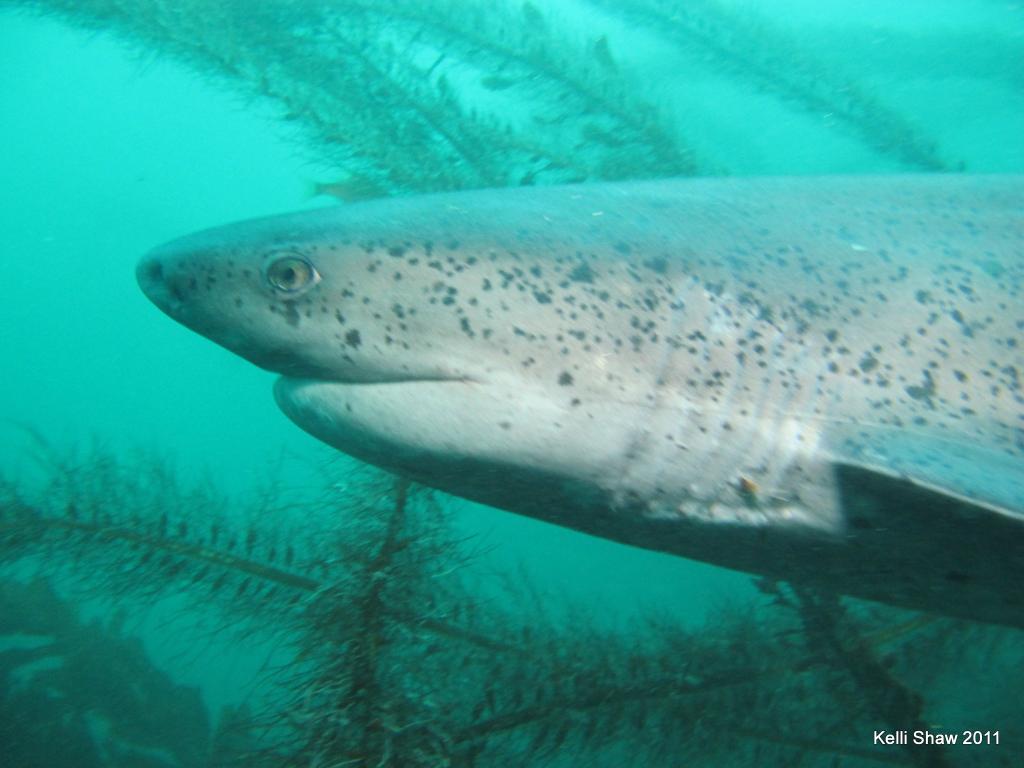
Emerging technologies have a profound effect on how citizen scientists conduct their work. An underwater creature of ancient lineage helps to tell this modern story of technology’s importance to citizen science. Notorynchus cepedianus, the sevengill shark, of the ancient Hexanchidae family (cow sharks), features seven gill slits and a single dorsal fin, giving a prehistoric … Read more “More Gills or Eyes? The Purported Increase of Sevengill Shark Populations off the Coast of San Diego”
Categories: Animals, Apps, Citizen Science, In the News, Ocean & Water
By Nick Fordes, Oct 16, 2012
Remember those old diagrams in your grade school science text books? I used to flip through each chapter trying to find the coolest images, but was continually disappointed when I was forced to squint at tiny illustrations. As I continued through school, however, I found myself drawn to large illustrations that conveyed information effectively and … Read more “NASA Wants You to Share Your Out-of-this-World Creativity”
Categories: Computers & Technology