Blog: Citizen Science Projects, People, and Perspectives
By Ian Vorster, Jul 07, 2015
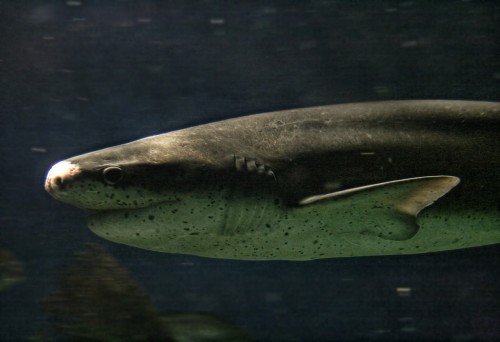
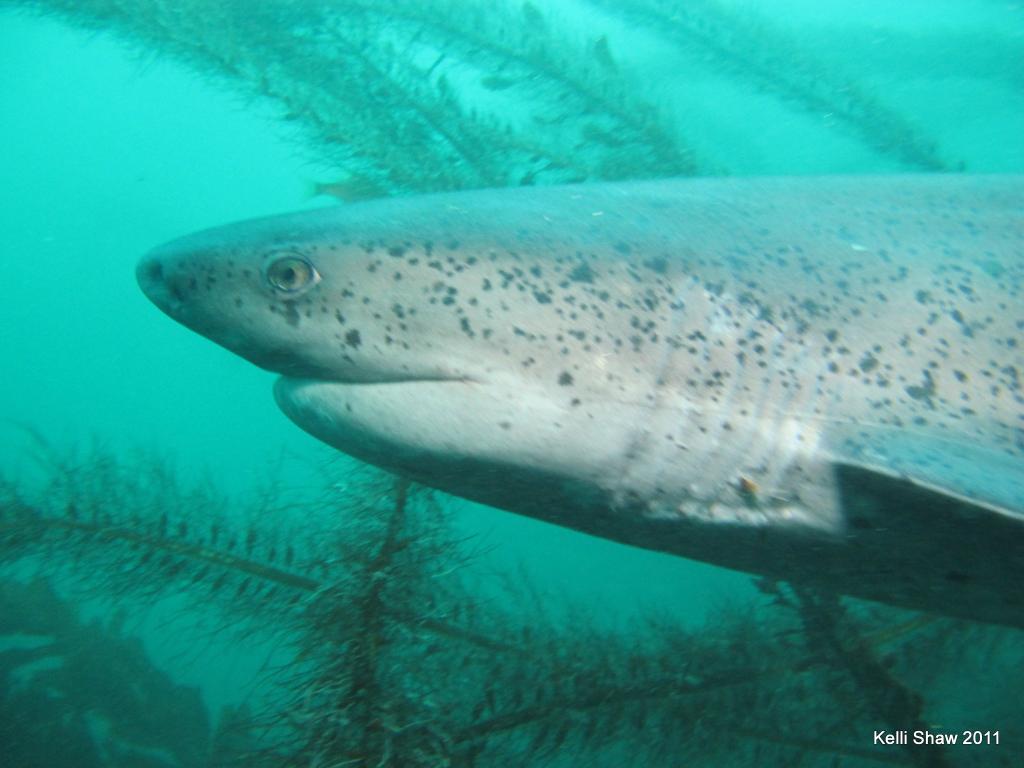
Diver-citizen scientists help find out why there has been a recent increase in the number of Sevengill Sharks spotted in the San Diego area The first thing the divers noticed upon reaching the bottom was that there were absolutely no fish—anywhere. The lighting, also being strange, lent everything a deserted, eerie feel. But, says diver … Read more “Divers Attempt to Solve Mystery of Sevengill Shark Sightings on the Pacific Coast”
Categories: Animals, Citizen Science
By Lily Bui, Aug 05, 2013
That’s right–it’s the moment you’ve all been waiting for. It’s Shark Week, and SciStarter has a slew of projects for you to try out. Let’s see if you bite. Whether it’s fascination or fear, the sight of a shark makes our hearts skip a beat. Thanks to these featured citizen science projects, that sight can also … Read more “Shark Week: A Feeding Frenzy for Citizen Scientists”
Categories: Animals, Apps, Citizen Science, Ecology & Environment, Nature & Outdoors, Ocean & Water
By Ashley R. Kelly, Aug 04, 2013
Emerging technologies have a profound effect on how citizen scientists conduct their work. An underwater creature of ancient lineage helps to tell this modern story of technology’s importance to citizen science. Notorynchus cepedianus, the sevengill shark, of the ancient Hexanchidae family (cow sharks), features seven gill slits and a single dorsal fin, giving a prehistoric … Read more “More Gills or Eyes? The Purported Increase of Sevengill Shark Populations off the Coast of San Diego”
Categories: Animals, Apps, Citizen Science, In the News, Ocean & Water
By Peter Madden, Aug 16, 2012
You might not realize it, but it’s always out there. Planning. Growing. Waiting for the perfect time to strike. You never quite know when it will happen. Maybe July. Maybe August. But you know it’s coming, and you can’t escape it. In an awesome display of speed and power, it bursts from an otherwise calm … Read more “Celebrate Shark Week with Some Citizen Science”
Categories: Animals, Biology, Citizen Science, Ecology & Environment, Nature & Outdoors, Ocean & Water
By Elizabeth Walter, Jun 29, 2011
Da-dum … da-dum … Don’t look now, but there are researchers hoping you’ll hop in shark-infested waters in the name of science! Members of ECOCEAN want your help photographing whale sharks on your next ocean outing. Your pictures will be uploaded to the ECOCEAN Whale Shark Photo-identification Library, a photographic database of whale shark (Rhincodon … Read more “Start spotting sharks for science!”
Categories: Animals, Biology, Citizen Science, Ecology & Environment, Nature & Outdoors, Ocean & Water